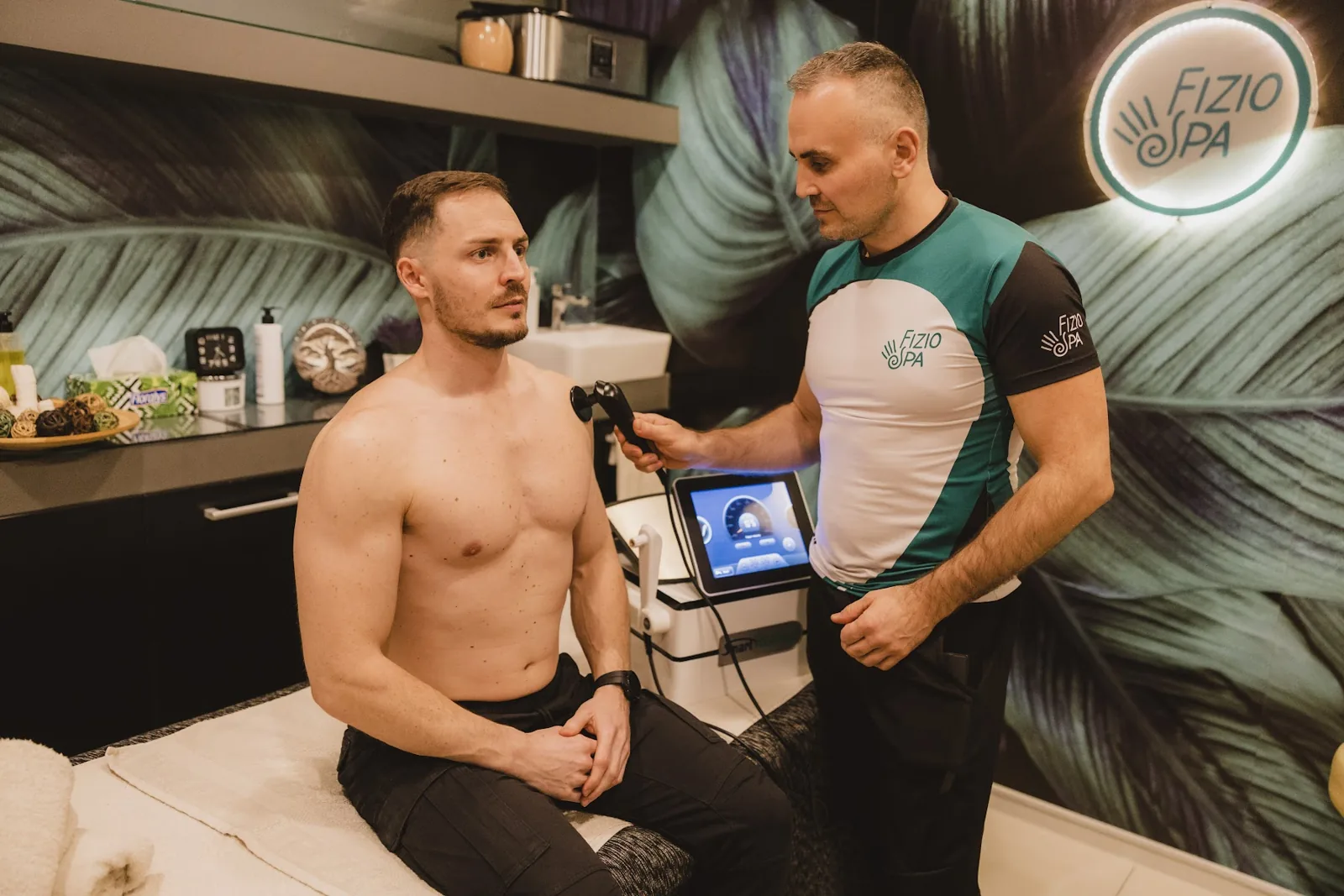
Tecar, laser, magnetic and shockwave therapy
Physical therapy

Tecar, laser, magnetic and shockwave therapy

Short answer

Device-based therapy only makes sense as part of a recovery plan. Tecar is often used for pain and soft-tissue recovery, laser and magnetic therapy to support healing and reduce pain, and shockwave for certain chronic tendon problems. Which device makes sense in a particular case is shown by the assessment.

This article is educational and does not replace an examination. If you have severe pain, weakness, loss of sensation, swelling in one leg or a sudden worsening, contact a doctor first.

Detailed answers

A device can help, but it does not know why you are in pain. That is why we first look at where the problem is, how long it has lasted, what makes it worse and what the recovery goal is. Only then do we choose the method. The best results usually come when device-based therapy is combined with manual work and exercise.
Tecar is used as support for pain, tension and soft-tissue recovery. Most people feel it as a pleasant deep warmth, and the parameters and indications depend on the condition itself.
In physical therapy, laser and magnetic therapy serve as support for pain, inflammation and recovery. They are not a magic solution, but they can help when properly dosed and fitted into the plan.
Shockwave is most often considered for certain chronic tendon problems and painful points, for example heel spurs or long-standing tendon complaints. It is not for every condition and can be more intense, so assessment is especially important here.
If someone has only told you the name of a device in advance without checking the cause of your pain, the plan is not complete. At Fizio Spa we do the assessment first, then explain why we choose a particular method and what we expect from it.
There is no single best one for everyone. The best one is the one that matches the cause of your pain and your stage of recovery.
It is generally pleasant and warm, but the dosage depends on the condition and the goal of therapy.
Most often for certain chronic tendon complaints and painful tendon attachments, but only after an assessment.
It depends on the problem and how the tissue responds. You get a plan after the first assessment.
For most problems, no. A device can reduce pain, but exercise restores function and reduces the chance of the problem coming back.

← Back to the blog

★★★★★

Need an assessment in Zrenjanin?

Come in for an assessment, and based on the examination and findings we will choose which device makes sense in your case. You can pick your appointment online in a couple of minutes.

Book online
Book an appointment