Sports topics
We use analytics cookies to improve the site. You can accept or decline them. More in our privacy policy.
Most sports injuries can be prevented: ten minutes of warming up, gradual preparation for your specific sport, stopping when you are exhausted or something hurts, and stretching after activity. If a strain or sprain does happen, protection, rest, ice, compression and elevation of the injured part (PRICE) help in the first 48 hours.
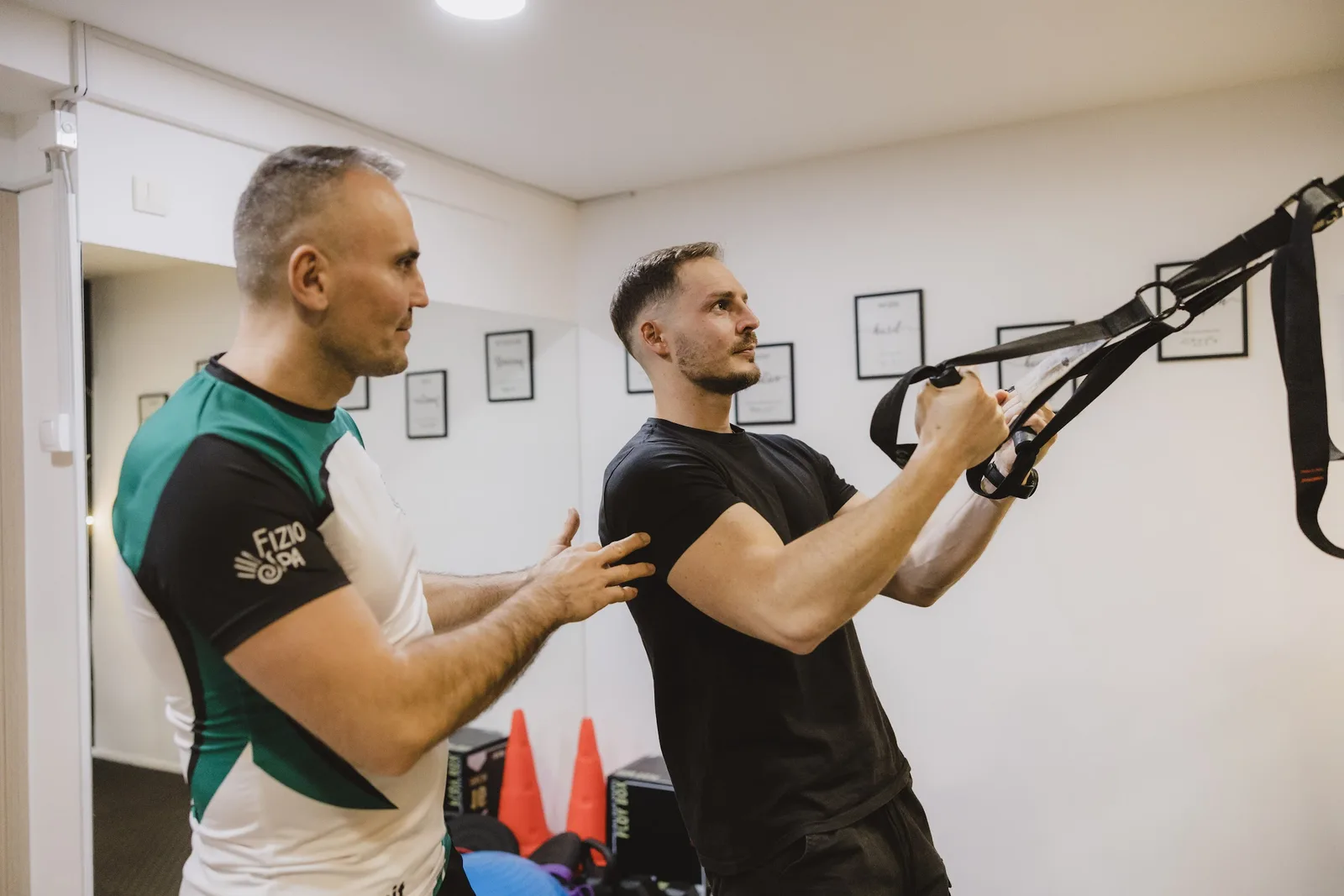
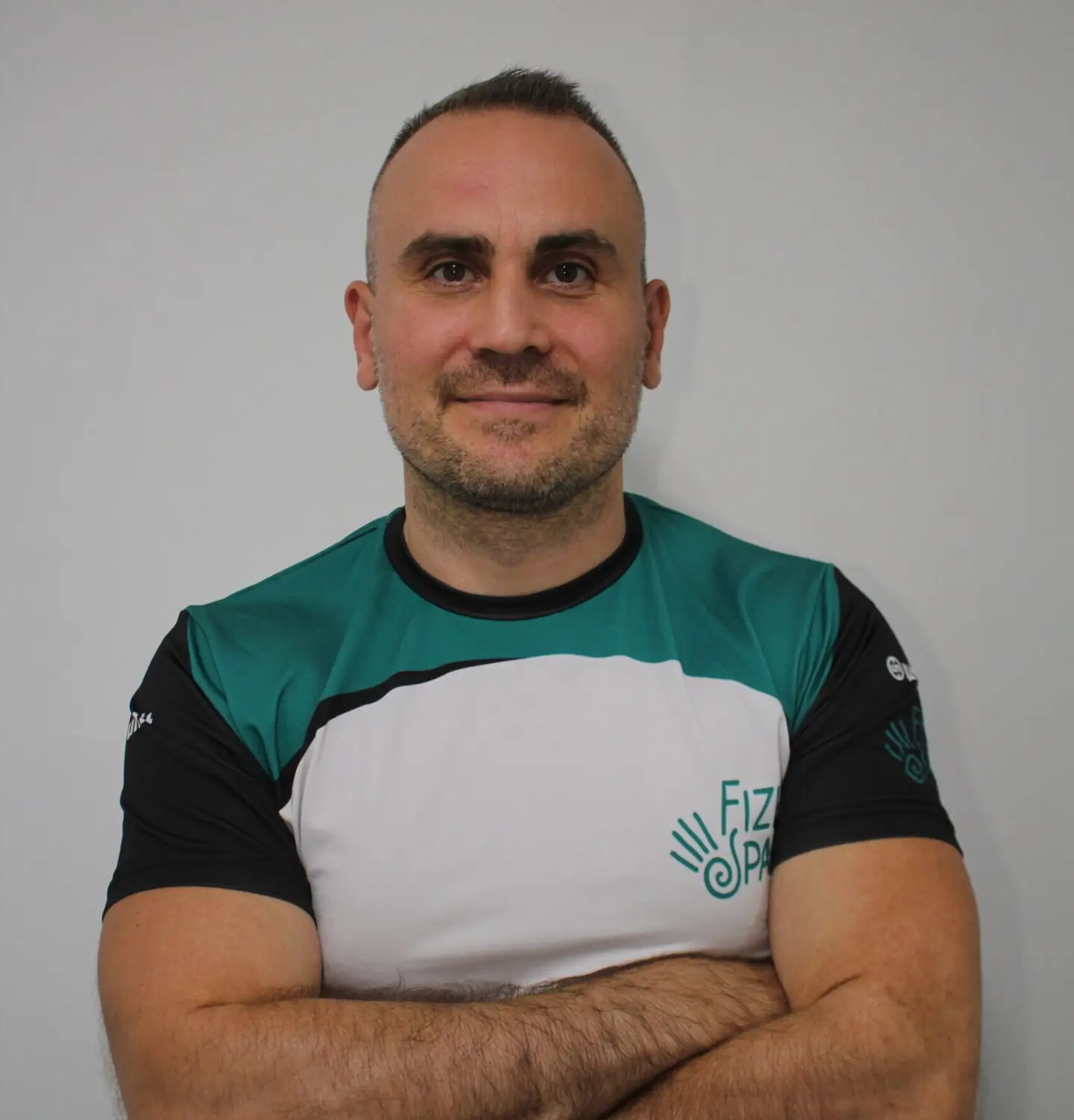
For years Marko Ćurčić worked as physiotherapist to the Serbian national wrestling team and was physiotherapist to Olympic champion Davor Štefanek. “Wherever our best wrestlers go, I go too. Treating injuries is part of the job, but I consider prevention the far more important part,” Marko writes. The same principles apply to recreational athletes.
The most common are soft tissue injuries: strains of muscles and tendons and sprains of joints, when a ligament is stretched beyond its limit. In contact sports, some injuries are caused by an external force we cannot do much about. Still, in most cases what contributes to an injury is that we start the activity unprepared.
1. Warm up before every activity. Everyone knows this, yet many people go from standing still to full speed. A gentle warm-up increases blood flow to the muscles and the elasticity of the tissues. Ten minutes of warming up can often save you a week of pain.
2. Sport-specific preparation. Running for a month does not mean you are ready for football. Every sport places different demands on the muscles and ligaments, so prepare your body for those movements a few weeks before the season or a new sport. This also helps prevent overuse injuries.
3. Recognise fatigue. A tired muscle activates its protective reflexes more slowly, and the risk of injury rises. You can always rest and carry on in fifteen minutes, tomorrow or next week, as long as you are not injured. If you feel pain, stop immediately.
4. Drink water. Good hydration is important for muscle function, especially in summer. Do not wait until you are thirsty.
5. Pay attention to your surroundings and equipment. Slippery surfaces, sharp edges, unsuitable footwear and missing protective gear put even the best-prepared athletes at risk.
At the end of training the body needs to “cool down”. Stretching the muscles that have been working restores range of motion and elasticity. Do dynamic stretching before training, and save static stretching, holding each position for 20 to 30 seconds, for the end. Detailed exercises are in our guide stretching for the neck, back, hips and legs.
After training, foam roller self-massage also works very well, and massage is one of the most powerful recovery tools. With the national team, massage and stretching were a daily routine. To see how training and massage fit together, read our article training and massage.
Swelling is the body’s normal response to injury, but too much swelling restricts movement and slows healing. For minor injuries, apply PRICE in the first 48 hours:
If you suspect a fracture, a serious sprain or a head injury, see a doctor first. Once there is a diagnosis, at Fizio Spa we provide rehabilitation and a return to training, step by step.
Warm up before activity, prepare your body for your specific sport, stop when you are exhausted or something hurts, drink water and stretch after training.
First aid for minor soft tissue injuries: protection, rest, ice, compression and elevation of the injured part, in the first 48 hours.
Up to 10 minutes every 1 to 2 hours in the first 48 hours, over a cloth, not directly on the skin.
If there is no improvement after 48 hours, if you cannot put weight on the injured part, or when you are returning to training after an injury. If you suspect a fracture, see a doctor first.
Book an assessment and a recovery plan online, and you will get a confirmation by email straight away.
Book online